


The assessor uses government-approved software to calculate how much energy a home is likely to use and how much carbon dioxide it is expected to produce. These calculations determine the final EPC rating of your home.
It's time for an update
You've been using your good friend IE for quite some time now. It has been a reliable companion for probably the last 20 years.
Unfortunately, due to technology constantly evolving, we would like to kindly ask you to update your browser to one of your liking from the ones listed below. This will ensure that you're going to have good time on our site. Actually, any site really.
Farewell, Internet Explorer.
What is an EPC rating?
Learn what an EPC rating means and how upgrading your heating system can help improve your home’s energy efficiency.
EPC's explained
An Energy Performance Certificate (EPC) gives domestic properties an energy efficiency rating from A to G, where A represents the highest efficiency and G the lowest. This rating is calculated using the standard assessment procedure (SAP) that looks at how much energy a property is expected to use for heating, hot water, lighting, and ventilation, as well as the expected level of carbon emissions.
The certificate also includes an estimate of annual running costs and recommendations for improving efficiency, which commonly cover heating upgrades, insulation, and renewable technologies.
Heating often has the greatest influence on an EPC rating since it is typically the largest source of energy use in UK homes. Choosing an efficient heating system can therefore have a direct and measurable impact on your property’s rating.
Understand your property's energy performance
How EPC ratings are calculated
An EPC assessment is carried out by a qualified assessor who reviews key aspects of your property, including:
-
The type and efficiency of your heating system
-
Insulation levels in walls, floors, and loft spaces
-
Windows and glazing
-
Ventilation
-
Hot water systems
-
Lighting efficiency

Upgrade your heating, upgrade your EPC rating
Why your heating system has a strong impact on EPC ratings
Older boilers and inefficient heating systems often use more fuel to produce the same level of heat.
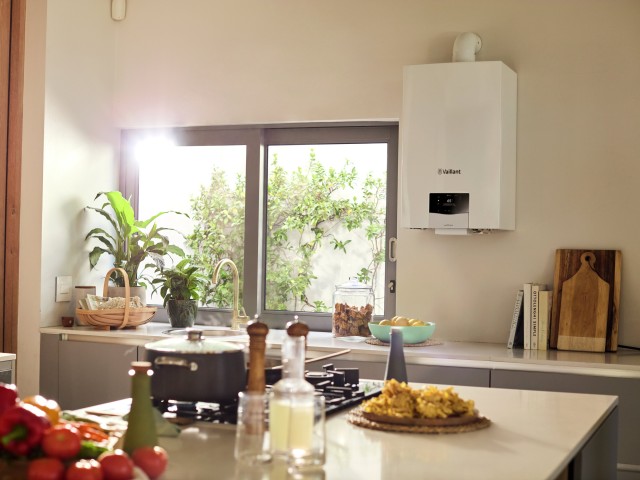
Modern heating systems are designed to use less energy while maintaining comfort. Higher efficiency appliances can improve the overall rating of a home. All Vaillant boilers are built with quality and efficiency in mind, designed to deliver reliable heating while helping to reduce energy use. Our entire boiler range is A-rated for efficiency, making our range a strong upgrade choice for your heating system.
For example, upgrading from an older boiler to a modern condensing boiler can significantly reduce the energy required to heat a property.
Boost your EPC
How upgrading your heating system can improve your EPC
Improving a heating system can affect several parts of the EPC calculation at the same time.
These include:
-
Higher system efficiency
Modern boilers are designed to run more efficiently using improved technology and controls. This means they use less energy to provide the same level of heating and hot water. Potentially reducing energy consumption and improving efficiency scores during the assessment.
-
Improved controls and system design
Smart heating controls, weather compensation, and zoning allow heating to run more precisely. This helps to reduce wasted energy and improve your overall performance in EPC assessments.
Heating options that support a better EPC rating
Different properties require different solutions. A qualified installer can advise on the most suitable system based on a home's age, size, and insulation level.
Common upgrades that can contribute to a better EPC include:
- Replacing an older boiler with a modern high-efficiency model
- Upgrading heating controls and thermostats
Boilers and EPC ratings
As the most common heating system in UK homes, gas boilers are one of the key factors considered in EPC assessments. The efficiency of the appliance and the controls used both influence how much energy a property is expected to consume.
Modern condensing boilers are typically far more efficient than older models and can be equipped with smart heating controls to help manage temperatures more precisely and reduce unnecessary energy use. Upgrading to a high-efficiency boiler is usually the first step to see major improvements in overall energy performance.
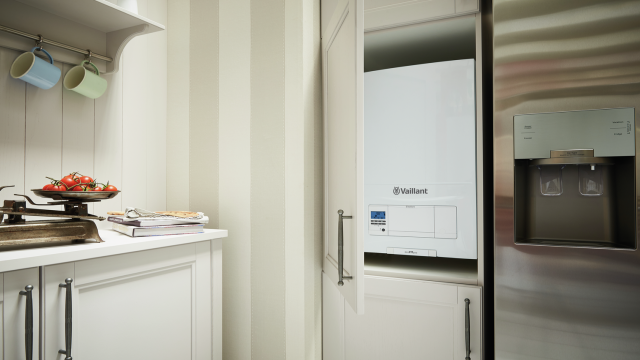
When purchasing a property, not knowing the condition of the existing boiler can present risks. Even properties with boilers that are only a few years old may pose long-term issues if the system has not been serviced in line with the manufacturer’s guidelines. Without regular servicing, a boiler can operate less efficiently, become more prone to faults, and potentially require costly repairs down the line.
If you are looking to upgrade your boiler, choosing a high-efficiency, A-rated system can help improve your home’s energy performance. At Vaillant, we offer a wide range of A-rated boilers designed to suit different property types and heating requirements.
Maximise your home's efficiency
Other factors that influence EPC improvements
While heating is important, EPC ratings are affected by the whole property. The most effective improvements often combine heating upgrades with measures such as:
-
Loft or wall insulation
-
Double or triple window glazing
-
Draught proofing
-
Hot water cylinder insulation
A whole-home approach often delivers the greatest improvement in both EPC ratings and running costs.
How to improve your EPC rating
Your EPC includes a list of recommended measures ranked by impact and cost-effectiveness. This is a useful starting point when planning upgrades.
A professional heating assessment can also help identify opportunities to improve efficiency, especially where an older system is reaching the end of its working life.
How much does an EPC cost?
According to the Homeowners Alliance, the average cost of an EPC typically ranges from £60 to £120, although prices can vary depending on the size of the property, the provider’s location, and the property type. Comparing quotes online can help you find a competitive price, and the government’s official directory can be used to locate an accredited EPC assessor near you.
Once issued, an EPC remains valid for 10 years before a reassessment is required.
What properties are exempt from EPC requirements?
For landlords and rented properties, changes to energy efficiency legislation are coming into effect. In England and Wales, the government has confirmed that privately rented homes will be required to achieve a minimum EPC rating of C by 1 October 2030, where an EPC is required.
In Scotland, proposals indicate that minimum energy efficiency standards for rented homes are also expected to tighten, with future requirements linked to updated EPC measures and phased deadlines for compliance.
These initiatives are intended to raise the overall energy efficiency of the private rented sector, support the decarbonisation of home heating in the UK and help ensure tenants live in warmer, more affordable homes to run.

Future-proofing your home with heat pump technology
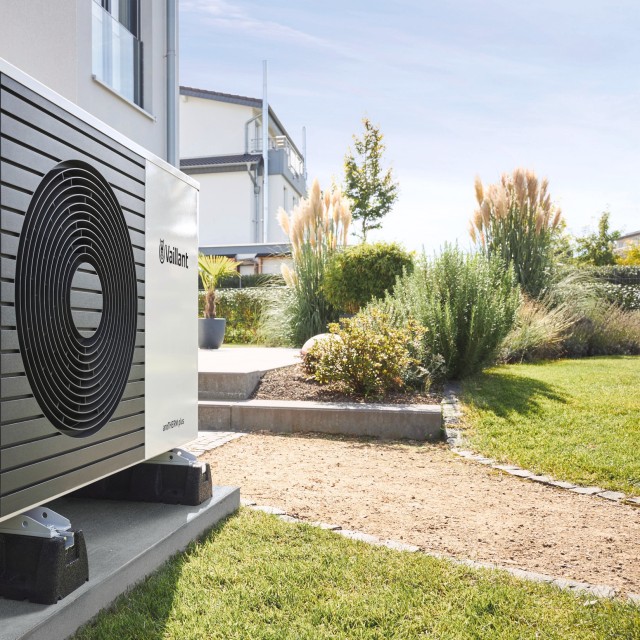
Heat pumps are widely recognised as a low-carbon alternative for home heating. They extract heat from renewable sources such as the air, ground or water, then raise it to a temperature suitable for your heating system. By drawing on naturally replenished energy and operating with high efficiency, they can help households lower overall energy use and reduce associated carbon emissions.
While current EPC assessments do not fully reflect every low-carbon technology (such as heat pumps), the wider direction of the UK’s energy policy is clear. Choosing a heat pump can therefore be seen as a way to future-proof your home, aligning with evolving regulations, environmental standards and the growing shift towards net zero.
For many homeowners across the UK, the upfront installation costs remain an important consideration. To support the transition to low-carbon heating, government-backed funding schemes are available to help make heat pumps more accessible.
In England and Wales, the Boiler Upgrade Scheme (BUS) provides grants to reduce the cost of installing a heat pump in eligible properties. In Scotland, support is available through the Home Energy Scotland Grant and Loan scheme, which offers funding towards installation alongside interest-free loans for qualifying households. In Northern Ireland, the Sustainable Energy Programme by the Energy Saving Trust supports eligible households with energy efficiency improvements to help reduce heating costs. Each scheme has its own eligibility criteria and funding conditions, so it is important to review official guidance and assess what applies to your circumstances.
At Vaillant, we offer a range of high-efficiency air source heat pumps designed to support low-carbon home heating. This includes systems such as the aroTHERM plus, built to deliver strong performance at lower flow temperatures and suited to systems like underfloor heating, and the aroTHERM split, a flexible option where installation space or property layout requires a more adaptable setup.
Explore our full heat pump range to find a system that suits your home and long-term plans.